
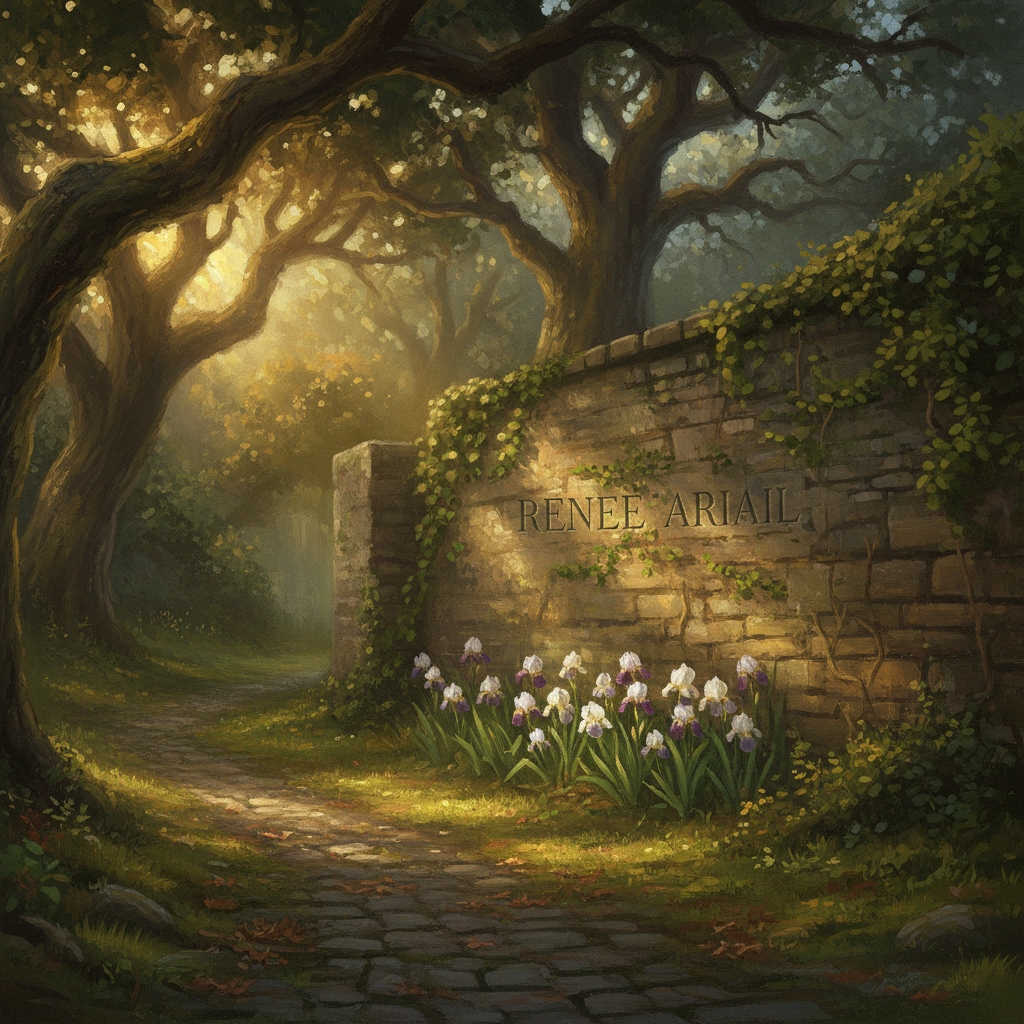
The Mystery of Renee Ariail: The Name on the Church Wall
It was a quiet afternoon when two travelers stumbled into a small, charming village nestled in the heart of France. Ancient cobblestone streets wound through a tapestry of flower-draped cottages, leading them inevitably to the grand old church at the village’s core. Its stone facade was weathered but proud, a testament to centuries of tales untold.
Inside, the air was cool and thick with the scent of history. Stained glass windows cast vibrant patches of color on the floor, creating a kaleidoscope of light that danced before the altar. While they wandered through polished pews, their eyes were drawn to a modest brass plaque affixed to the wall, its inscription read: “Renee Ariail – Honored for His Service.”
Intrigued, the pair exchanged curious glances. Who was Renee Ariail, and what service had he rendered to earn such a solemn tribute? There was no explanation, no date, just the name. The mystery niggled at their thoughts, compelling them to unearth the stories buried beneath the silent village stones.
Their journey began at the village inn, where the keeper, an elderly gentleman, knew the pulse of the place like an old song. “Ah, Renee Ariail,” he mused, a glimmer of recognition in his eyes, “A name not often spoken now, but once held in great reverence here.” With each word, he peeled back layers of yesteryear, revealing a portrait of a man both ordinary and extraordinary.
The tale of Renee Ariail unfolded like a well-kept secret. Born at the turn of the previous century, Renee was a humble farmer, tending vines on the gentle slopes encircling the village. But his quiet life belied the turbulent currents of his era. During the occupation in World War II, when shadows stretched long over Europe, Renee became an unseen force of defiance.
In the dark of night, his vineyard became a haven for those fleeing the encroaching darkness. Renee, under the guise of a simple farmer, orchestrated a small network that shepherded desperate souls to safety. His fields became their refuge, the wind rustling through vines the only witness to whispered plans and hurried departures.
Risking his life, Renee created false identities, safe passage, and hope amidst despair. His deeds went largely unnoticed, the weight of their secrecy wedged in the folds of history. But the village remembered, the church commemorated, and the plaque stood testament to a courage that dared not speak its name.
As the sun dipped below the horizon, painting the sky in dusky hues, the travelers sat beneath the sprawling chestnut trees outside the church. The mystery of Renee Ariail was no longer shrouded in silence. His spirit lingered in the stillness of the village air, his name no longer a mere inscription but a vibrant chord in the village’s song.
In the echoes of their discoveries, the travelers found themselves not just visitors but stewards of Renee’s legacy. They vowed to carry his story beyond the village, to let the world outside these ancient walls remember the name that had almost faded into oblivion. And as the church bells tolled the hour, they knew that though years might pass and memories dim, Renee Ariail’s courage would remain an everlasting flame in the heart of that timeless village.