The Enigma of the Lost Heirloom: A Clock’s Tale
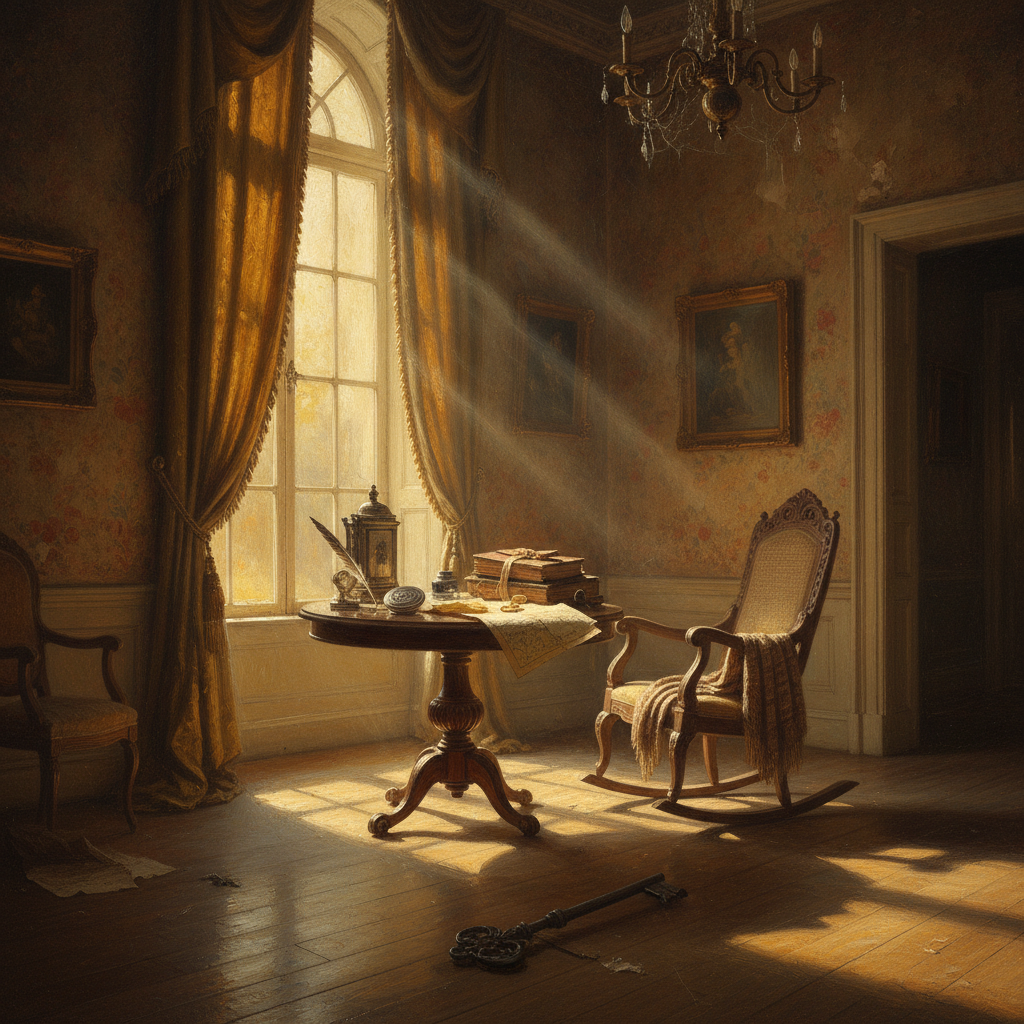
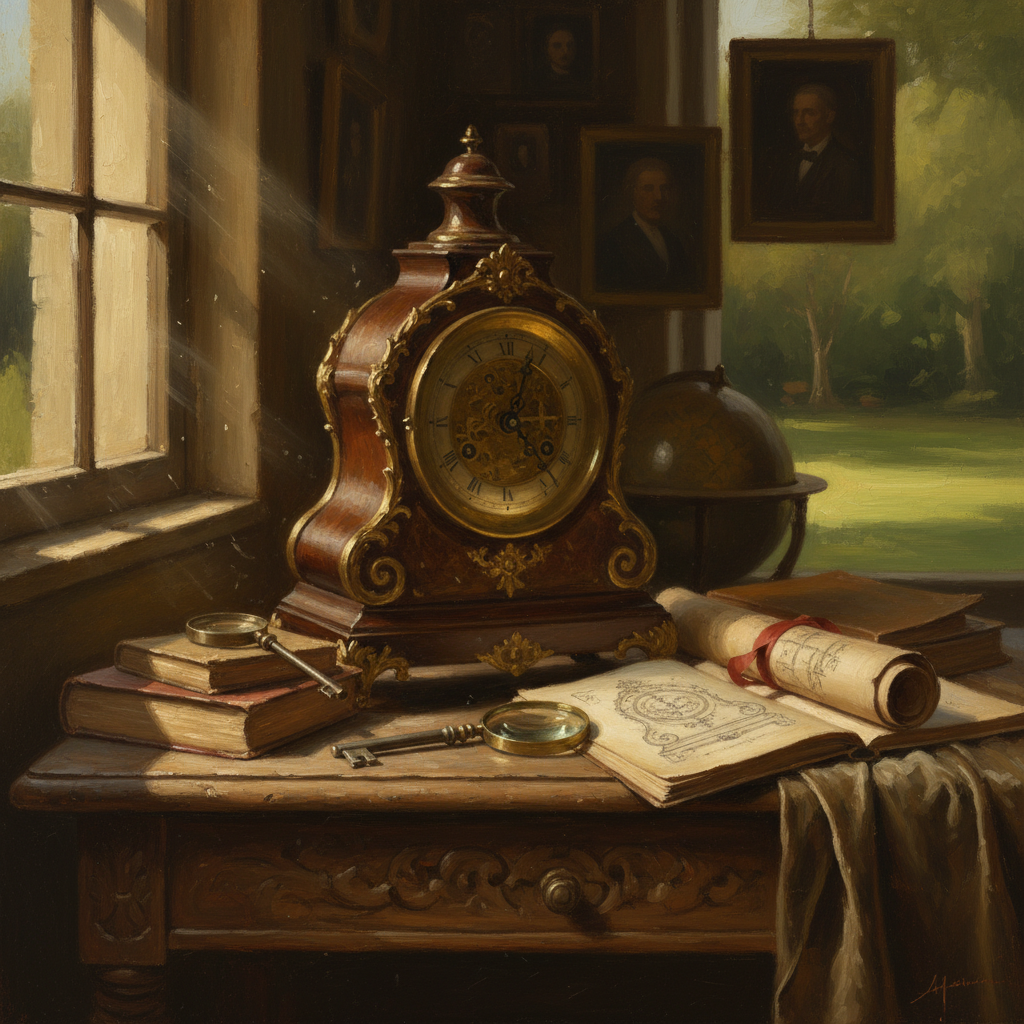
In the dusty attic of a centuries-old family estate, nestled among forgotten antiques and timeworn books, lay a peculiar clock. This was no ordinary timepiece; its intricate engravings and mysterious aura captured the curiosity of any who dared venture into the shadows of history. The clock, long dismissed as a mere relic, harbored a tale that spanned generations, waiting patiently to be uncovered.
It all began in the late 1800s when the family patriarch, Jonathan Welles, traveled to Europe in search of inspiration for his burgeoning textile business. During his travels, Welles stumbled upon a small clock-making shop in the heart of Geneva, Switzerland. Enamored by the craftsmanship, he purchased an ornate clock adorned with symbols he couldn’t comprehend but found strangely compelling. Little did he know, this purchase would weave a mysterious thread through the tapestry of his family’s legacy.
Upon returning home, Welles placed the clock on the mantel in the grand hall. It quickly became a centerpiece of fascination and puzzlement. Its inner workings were an enigma, chiming at odd hours and reflecting the sunlight in curious patterns. The family spoke of it in hushed tones, attributing supernatural qualities to this foreign object.
Years passed, and the clock’s oddities were gradually accepted as part of the Welles family lore. That is until the summer of 1902, when a distant cousin, Mathilda, came to visit. A woman of intellect and keen observation, Mathilda was drawn to the clock in a way that felt predestined. She spent nights in the library, pouring over books, trying to decipher the symbols that adorned the clock’s face.
On the eve of her departure, Mathilda made a startling discovery. Hidden within one of the clock’s compartments, she found a faded letter penned by none other than Jonathan Welles himself. The content of the letter unveiled a side of Welles that the family had never known—a passionate lover of art and riddles, who had embedded a secret within the clock to challenge his descendants.
The letter hinted at a hidden fortune, the key to which was embedded in the clock’s designs. Driven by a mix of skepticism and excitement, Mathilda shared her discovery with her relatives. What ensued was a feverish, family-wide hunt across the estate, each member attempting to solve the riddle of the clock and claim their ancestor’s hidden treasure.
As the years rolled on, the story of the clock and its secret became both legend and obsession among the Welles descendants. Some sought fortune, others sought truth, but all were united by the mystery of their heritage. Heated debates erupted during family gatherings, and rivalries were born from mere speculation of what lay beneath the clock’s enigmatic surface.
Ultimately, it was young Ethan Welles, a shy, introspective teenager with an affinity for puzzles, who finally unraveled the mystery. On a stormy autumn night, as the wind howled through the estate’s corridors, Ethan deciphered the final clue. He realized that the patterns on the clock mirrored the stars above—and at the stroke of midnight, he aligned the clock’s hands to point toward a hidden cellar beneath the rose garden.
Ethan’s discovery led to the unearthing of a cache of letters and art pieces, tokens of Jonathan Welles’ life and passions, each item more priceless in story than in riches. The family found, instead of material wealth, a deeper understanding and connection to their past.
The clock, now restored to its former glory, sits proudly in the family room, no longer a mere object but a symbol of discovery and unity. It continues to chime, marking not just the passage of time, but the enduring legacy of the Welles family’s shared history.
And as the clock ticks, the tale of the lost heirloom and the enigma it harbored lives on, a testament to the power of curiosity, perseverance, and the timeless bond of family.